
 By Leo
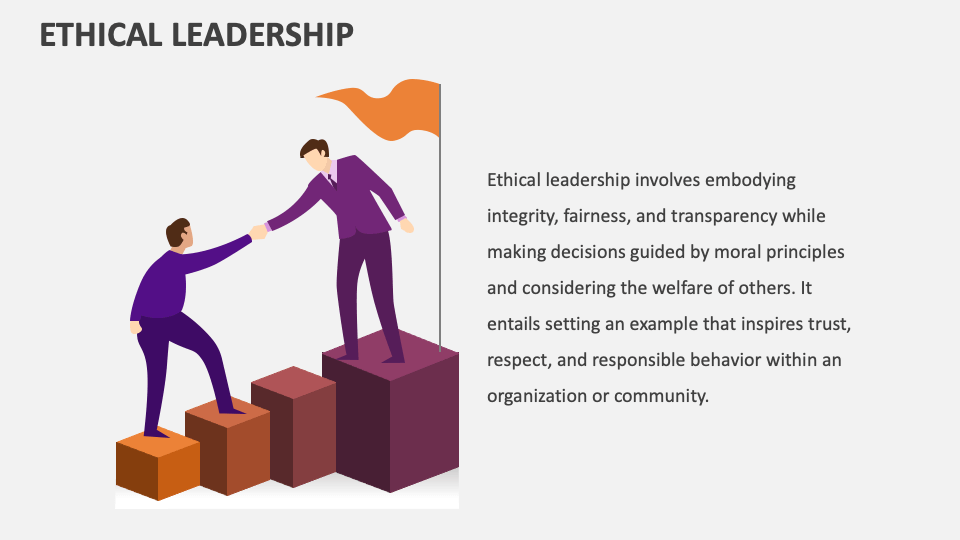
Ethical leadership is more than just following rules; it’s about inspiring trust, fostering fairness, and driving sustainable success. Learn how to develop ethical leaders and build a responsible, thriving modern company.
Key Takeaways:
- Ethical leadership involves cultivating a culture of integrity and transparency within an organization.
- Prioritizing stakeholder well-being, including employees, customers, and the community, is crucial for ethical leadership.
- Developing ethical leadership requires ongoing training, mentorship, and accountability measures.
- Ethical leadership can lead to improved employee morale, brand reputation, and long-term profitability.
The modern business landscape demands more than just profitability; it requires ethical leadership. Customers, employees, and investors alike are increasingly scrutinizing companies’ values and their commitment to social responsibility. Building a team of ethical leaders is no longer optional; it’s a strategic imperative for long-term success.
Understanding the Core Principles of Ethical Leadership
Ethical leadership starts with a clear understanding of core principles. These principles form the foundation upon which ethical decisions are made and ethical behavior is modeled. Transparency is paramount. Leaders must be open and honest in their communication, sharing information freely and admitting mistakes when they occur. This builds trust and fosters a culture of accountability. Integrity is another cornerstone. Leaders must consistently act in accordance with their stated values, even when faced with difficult choices. This consistency builds credibility and inspires confidence.
Fairness is also essential. Leaders must treat all employees, customers, and stakeholders with respect and impartiality. This means making decisions based on merit and avoiding favoritism or discrimination. Finally, responsibility is key. Leaders must take ownership of their actions and be held accountable for their decisions. This demonstrates a commitment to ethical behavior and a willingness to learn from mistakes. In order to foster the best environment for the team, leaders should show respect by listening to their team members’ point of views. By implementing these core principles within the company, leaders will be able to establish a solid foundation that will allow for a team of ethical people.
Cultivating a Culture of Ethical Leadership
Building a culture of ethical leadership requires a multi-faceted approach. It begins with establishing a clear code of conduct that outlines the company’s values and expectations for ethical behavior. This code should be readily accessible to all employees and regularly reinforced through training and communication. In order to establish a culture of ethical leadership, communication and training plays a crucial role. Leaders must ensure the best methods and strategies are implemented, for example: regularly reinforced the company’s code of conduct through training.
Furthermore, ethical leaders must model the desired behavior. Their actions speak louder than words, so they must consistently demonstrate integrity, transparency, fairness, and responsibility. They should also encourage open communication and create a safe space for employees to raise concerns about unethical behavior without fear of retaliation. Implementing anonymous reporting mechanisms can also help to uncover unethical behavior that might otherwise go unnoticed. Furthermore, creating an environment of accountability is imperative.
Companies can implement systems of reward and recognition to incentivize ethical behavior, and also introduce disciplinary actions for those who violate the code of conduct. Make sure that your company takes action to reward those who are doing good, and make sure that you also enforce punishments to bad actors.
Developing Ethical Leadership Skills Through Training
Developing ethical leadership skills requires targeted training programs that equip leaders with the knowledge and tools they need to make ethical decisions. These programs should cover a range of topics, including ethical frameworks, decision-making models, conflict resolution techniques, and legal compliance. Role-playing exercises and case studies can also be valuable tools for helping leaders practice applying ethical principles in real-world scenarios.
Mentorship programs can also play a significant role in developing ethical leadership. Pairing emerging leaders with experienced mentors who embody ethical values can provide guidance and support. Mentors can share their experiences, offer advice, and help mentees navigate complex ethical dilemmas. These programs can also help create a pipeline of future ethical leadership within the organization, ensuring that ethical values are passed down from one generation to the next.
Additionally, companies can provide access to external resources, such as ethics hotlines and consulting services, to provide leaders with additional support and guidance. Furthermore, ethical decision-making tools should be available to the leaders of the company.
Measuring and Monitoring Ethical Leadership Effectiveness
Measuring and monitoring ethical leadership effectiveness is essential for ensuring that ethical values are being upheld throughout the organization. Employee surveys can be used to gauge perceptions of ethical behavior and identify areas for improvement. These surveys should be anonymous to encourage honest feedback. Data of Great Britain (gb) shows that organizations with documented ethics and compliance programs are more likely to have employees who report misconduct.
Performance evaluations should also incorporate ethical considerations. Leaders should be evaluated not only on their financial performance but also on their adherence to ethical principles and their ability to foster an ethical work environment. Regular audits and assessments can also help to identify potential risks and ensure compliance with legal and regulatory requirements. Finally, it’s important to track and analyze data related to ethical behavior, such as the number of ethics complaints received, the types of violations reported, and the outcomes of investigations. This data can provide valuable insights into the effectiveness of ethics and compliance programs and help to identify areas for improvement.