
 By Leo
 Understanding Inflation’s Impact on Daily Life
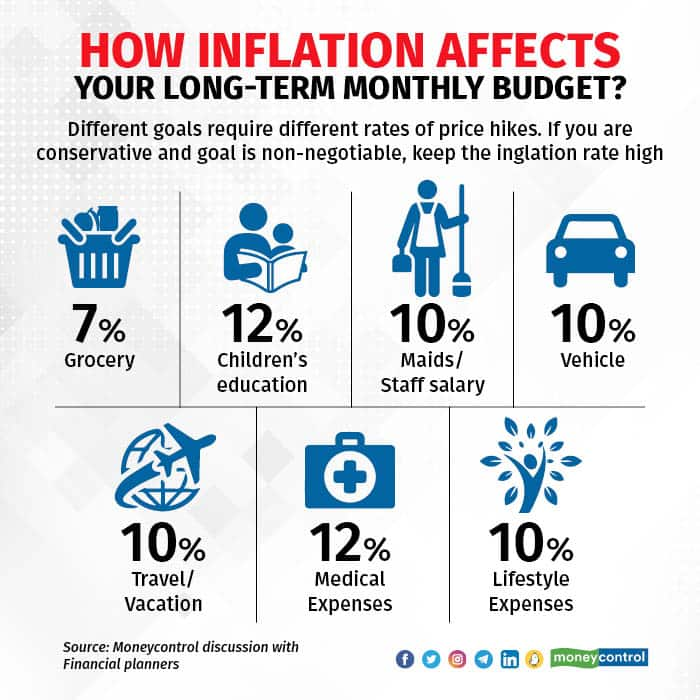
Inflation, the rate at which the general level of prices for goods and services is rising, can feel like a constant squeeze on your wallet. It diminishes your purchasing power, meaning each dollar buys less than it used to. From the gas you pump into your car to the food on your table, understanding how inflation works and how it impacts your daily life is crucial for making sound financial decisions.
Key Takeaways:
- Inflation reduces the purchasing power of your money, making everyday expenses more costly.
- Understanding the drivers of inflation can help you anticipate price changes and adjust your spending habits.
- Strategies like budgeting, investing, and reducing debt can help mitigate the inflation impact on your finances.
- Monitoring economic indicators and staying informed about inflation trends is vital for proactive financial management.
Inflation impact on Your Grocery Bill
One of the most noticeable effects of inflation is its impact on grocery prices. The cost of staples like milk, bread, eggs, and meat can steadily increase, putting a strain on household budgets. Several factors contribute to this, including rising transportation costs, increased agricultural input prices (like fertilizer), and global supply chain disruptions. When these costs increase for producers and suppliers, they often pass those costs onto consumers in the form of higher prices at the checkout counter.
For instance, consider a family who spends $150 per week on groceries. If inflation is running at 5%, that same basket of groceries will cost them $157.50 the following week. Over a year, that adds up to an extra $390 spent just to maintain the same consumption level. Small increases like these, compounded across various goods and services, can have a significant inflation impact.
To counteract this, consider strategies like meal planning, buying in bulk (when it makes sense), comparing prices across different stores, and reducing food waste. Also, opting for store brands over name brands can often lead to significant savings without sacrificing quality.
Inflation impact on Transportation Costs
Transportation is another area where the inflation impact is keenly felt. The most obvious example is the price of gasoline. Fluctuations in oil prices, geopolitical events, and changes in demand can all contribute to higher prices at the pump. This not only affects individual drivers but also has a ripple effect on the cost of transporting goods, which ultimately gets passed on to consumers.
Beyond gasoline, inflation can also affect the costs of public transportation, vehicle maintenance, and even the price of purchasing a new or used car. As the cost of raw materials and labor increases, so does the price of manufacturing and maintaining vehicles.
To mitigate the inflation impact on transportation costs, consider carpooling, using public transportation when feasible, maintaining your vehicle to improve fuel efficiency, and consolidating errands to reduce unnecessary trips. You might also consider purchasing a more fuel-efficient vehicle if your current car is a gas guzzler. The gb of data used for navigation apps can also add up, so consider offline map options to save on mobile data charges.
Inflation impact on Housing and Rent
Housing is typically one of the largest expenses for most households, and the inflation impact on housing costs can be substantial. Rising property values, increased construction costs, and higher demand for housing can all drive up prices, making it more difficult for people to afford to buy or rent a home.
Rent prices are often tied to the overall inflation rate and local market conditions. Landlords may increase rent to cover their own rising costs, such as property taxes, insurance, and maintenance. For homeowners, inflation can lead to higher mortgage payments if they have an adjustable-rate mortgage. Even fixed-rate mortgages can be affected indirectly, as higher inflation erodes the real value of their debt over time.
Strategies for managing housing costs in an inflationary environment include refinancing your mortgage to secure a lower interest rate (if possible), negotiating rent with your landlord, exploring alternative housing options (such as moving to a less expensive area), and carefully evaluating the costs and benefits of buying versus renting.
Inflation impact on Investments and Savings
While inflation erodes the purchasing power of cash, it can also affect your investments and savings. If your savings are simply sitting in a low-interest savings account, the rate of inflation may be higher than the interest you’re earning, meaning your money is effectively losing value over time.
However, certain investments can help you outpace inflation. Stocks, for example, have historically provided returns that exceed the inflation rate over the long term. Real estate can also be a hedge against inflation, as property values and rental income tend to rise during inflationary periods. Treasury Inflation-Protected Securities (TIPS) are specifically designed to protect investors from inflation, as their principal value is adjusted based on changes in the Consumer Price Index (CPI).
Diversifying your investment portfolio and consulting with a financial advisor can help you develop a strategy that balances risk and reward while also mitigating the inflation impact on your savings. By making informed investment decisions, you can aim to grow your wealth at a rate that outpaces inflation and preserves your purchasing power.