 By Leo
 Achieve verifiable carbon reduction. Learn proven methods for Carbon footprint tracking for SMEs to meet climate goals and gain market advantage.
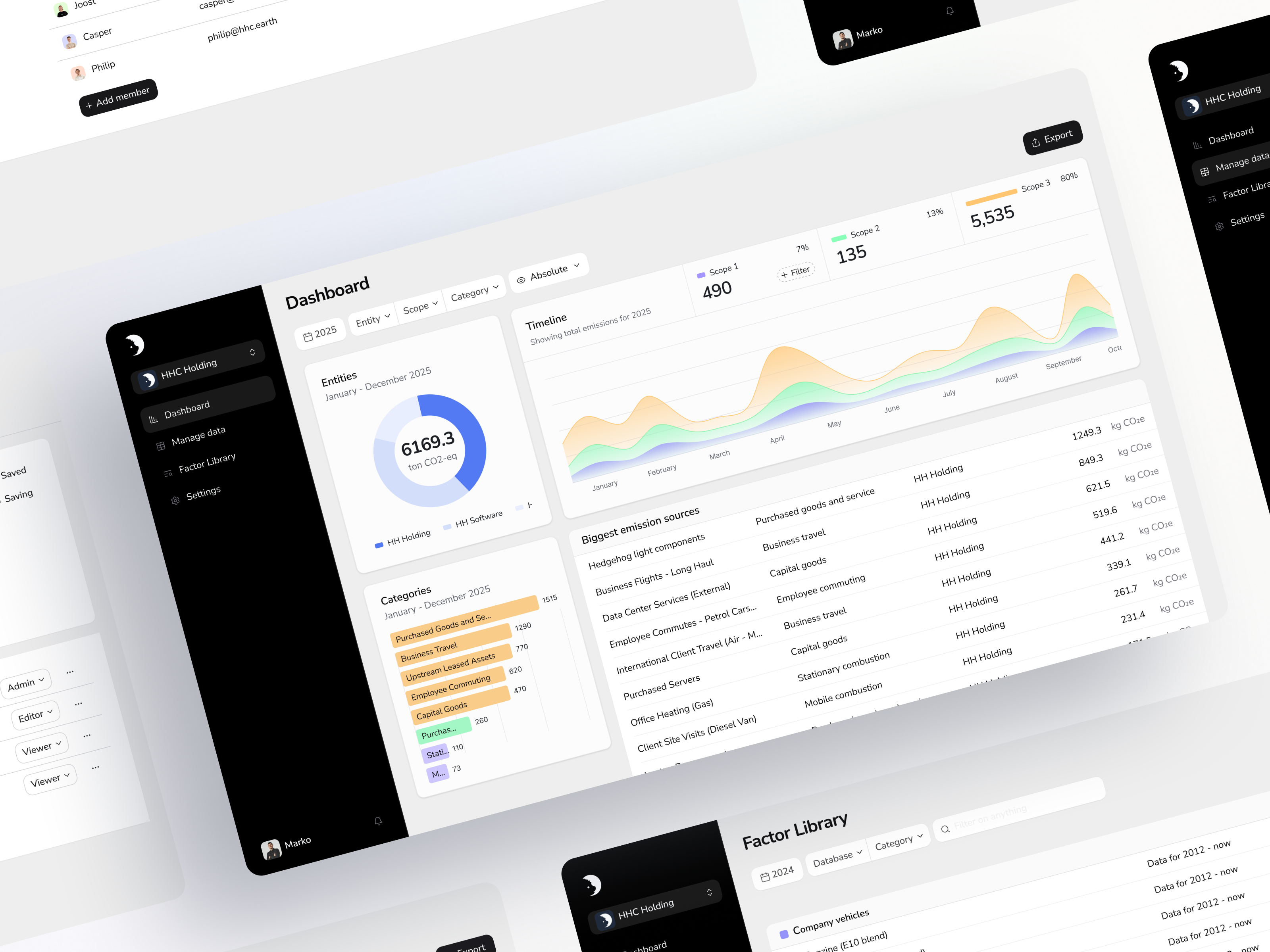
In today’s business landscape, tracking environmental impact is no longer optional for small and medium-sized enterprises (SMEs). Stakeholders, from customers to investors and even potential employees, increasingly demand transparency regarding sustainability efforts. Implementing Carbon footprint tracking for SMEs offers more than just compliance; it presents a strategic advantage, enabling operational efficiencies and opening new market opportunities. My experience working with numerous businesses, particularly in the US, demonstrates that even with limited resources, accurate and actionable carbon data is achievable and immensely valuable. It helps businesses understand their environmental baseline and pinpoint areas for improvement, directly contributing to both ecological stewardship and bottom-line benefits.
Key Takeaways
- Carbon footprint tracking for SMEs is crucial for modern business reputation and competitiveness.
- It helps identify operational inefficiencies and potential cost savings related to energy and waste.
- Understanding Scope 1, 2, and 3 emissions is fundamental for accurate reporting.
- Initial data collection can start with readily available information like utility bills and travel logs.
- Several tools, from spreadsheets to specialized software, can support the tracking process.
- Verifying your carbon data builds trust and validates reduction efforts.
- Proactive tracking positions SMEs favorably for future regulations and market demands.
- It can attract environmentally conscious customers and investors.
Getting Started with Carbon footprint tracking for SMEs
Embarking on Carbon footprint tracking for SMEs might seem daunting, but the first steps are straightforward. The journey begins with clearly defining your operational boundaries. What aspects of your business will you include? Typically, this involves your direct operations, such as facilities and company vehicles. Focus on data you already possess. Utility bills for electricity and gas, fuel receipts for company cars, and records of waste disposal are excellent starting points. Many SMEs already collect this information for accounting purposes.
Identify who will be responsible for data collection. Often, a dedicated individual or a small team can manage this alongside their existing duties. Start with basic spreadsheets to log consumption data monthly. This initial phase helps establish a baseline, which is essential for measuring future reductions. It’s about establishing a consistent system, even a simple one, before scaling up. This foundational data will be the bedrock for more sophisticated analysis down the line.
Operationalizing Carbon footprint tracking for SMEs Data
Once the initial data points are gathered, the next step involves converting raw consumption figures into carbon dioxide equivalent (CO2e) emissions. This is where emission factors come into play. These factors, often provided by governmental bodies or recognized organizations, allow you to translate units of energy or fuel into their corresponding carbon impact. For instance, the US Environmental Protection Agency (EPA) provides emission factors for various energy sources.
For operationalizing Carbon footprint tracking for SMEs, consistency is paramount. Choose a reporting period, typically a calendar or fiscal year, and stick to it. Many businesses begin with Scope 1 and Scope 2 emissions, which are generally easier to quantify. Scope 1 covers direct emissions from owned or controlled sources, like company vehicles or furnaces. Scope 2 accounts for indirect emissions from purchased electricity, heat, or steam. Specialized software solutions are available, but a robust spreadsheet can suffice for smaller businesses initially, providing clear data input fields and automated calculations. Regular data input ensures your carbon footprint remains current and reflective of your operations.
Key Methodologies for Carbon Accounting
Effective carbon accounting relies on established methodologies to ensure accuracy and comparability. The Greenhouse Gas (GHG) Protocol is a widely adopted standard, offering a framework for measuring and managing emissions. It categorizes emissions into three scopes. Scope 1 encompasses direct emissions from sources owned or controlled by the company, such as fuel combustion in company vehicles or from manufacturing processes.
Scope 2 covers indirect emissions from the generation of purchased electricity, heating, or cooling consumed by the company. These are emissions from power plants that supply energy to your operations. Scope 3 emissions are all other indirect emissions that occur in a company’s value chain, both upstream and downstream. This includes business travel, employee commuting, waste generated in operations, purchased goods and services, and transportation and distribution. While Scope 1 and 2 are usually the initial focus for SMEs due to easier data access, addressing Scope 3 offers a more holistic view and significant reduction opportunities, especially as supply chain sustainability becomes more critical.
The Future of Carbon footprint tracking for SMEs in the US Market
The landscape for Carbon footprint tracking for SMEs in the US is rapidly evolving. We are seeing increasing pressure from various fronts. Customers are making purchasing decisions based on environmental credentials. Large corporations are requiring their supply chain partners, often SMEs, to report their emissions as part of broader sustainability initiatives. Furthermore, investors are integrating Environmental, Social, and Governance (ESG) factors into their assessments, potentially affecting access to capital for businesses lacking robust sustainability practices.
Proactive tracking offers a significant competitive edge. It allows SMEs to credibly market their environmental efforts, differentiate themselves, and potentially access new markets. Furthermore, upcoming regulations, both at federal and state levels, are likely to mandate certain levels of carbon reporting. Businesses that have already established their tracking systems will be well-positioned to adapt quickly and avoid compliance hurdles. It’s not just about meeting future requirements; it’s about building a resilient, forward-thinking business capable of thriving in a low-carbon economy.